One of our team will be in touch with you shortly, in the mean time why not register an account with Orbit Spaces to access our spaces now.
Starting a business is exciting, but choosing where to work from can sometimes feel overwhelming.
For startups and small businesses working with limited budgets, choosing the right work space can make a real difference. You need something professional, flexible and affordable, without locking yourself into unnecessary overheads, while still having access to flexible workspace solutions that can adapt as your business grows.
The debate around serviced office vs coworking space options has become more common as traditional leases feel increasingly out of reach for smaller teams. Add working from home into the mix, and the choice becomes even more complex. That’s why many growing businesses are turning to flexible coworking spaces that offer the structure of a professional environment, combined with the adaptability modern teams need.
So which setup makes the most sense for growing businesses? This guide compares all the options from Serviced Offices vs Coworking Spaces vs Home Working, considering factors like cost, flexibility, and growth, helping startups on tighter budgets determine the best option.

Many startups begin at home because it’s accessible, affordable, and convenient, with no commute and no immediate rental costs to worry about. For early-stage founders, it often feels like the most practical and obvious place to get started.
However, while home working keeps upfront expenses low, it can bring hidden trade-offs that become more noticeable as the business grows, from limited space and increased distractions to blurred boundaries between work and personal life.
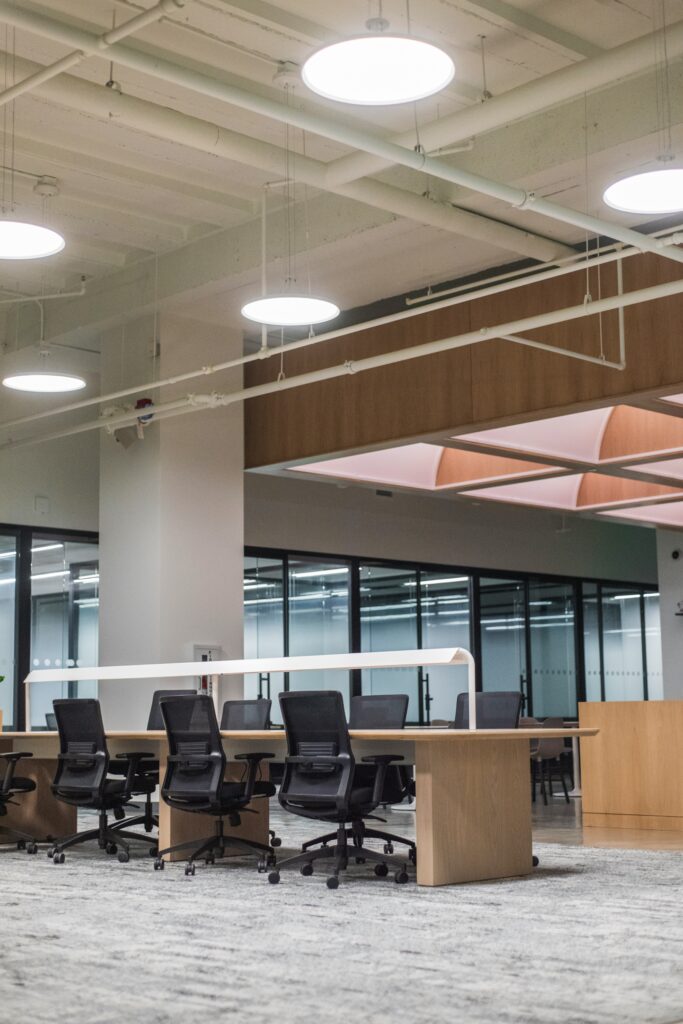
A serviced office is a private office within a larger building, managed by an external operator, where businesses benefit from services like reception, utilities, internet, cleaning, and shared facilities. While serviced offices reduce the need for managing a traditional lease, they typically come with higher monthly costs and longer commitments than coworking spaces.
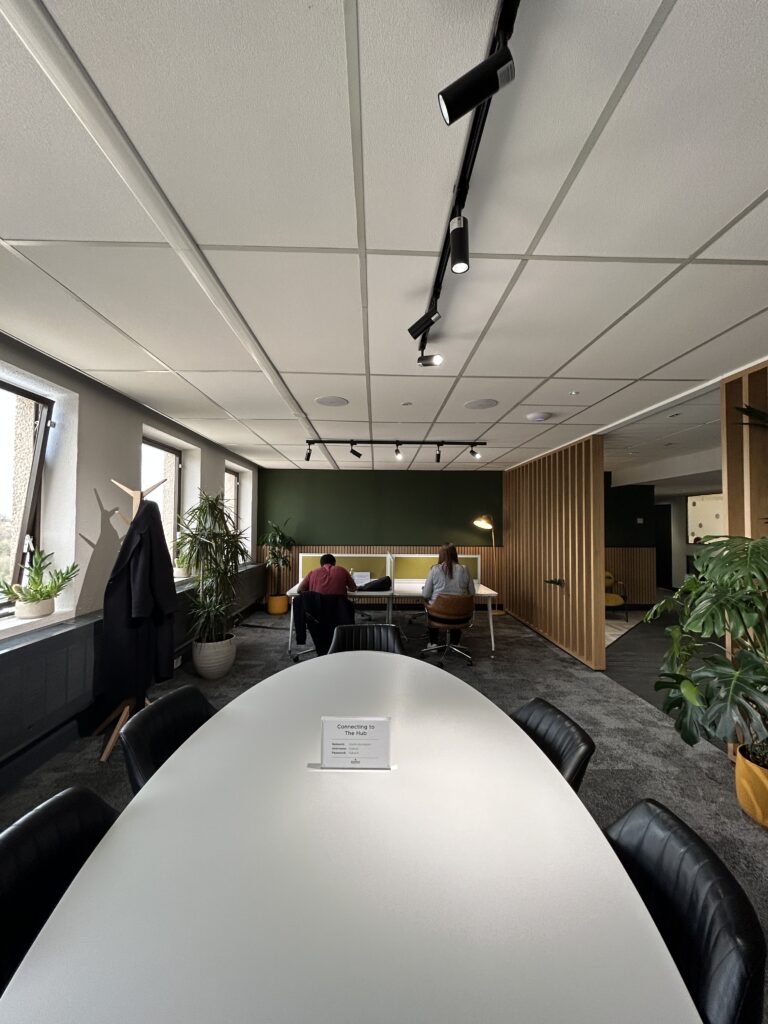
Coworking spaces are shared professional environments that provide flexible workstations and memberships designed for collaboration and productivity.
These spaces offer a structured setting with access to amenities like meeting rooms for hire and shared resources, allowing startups to maintain professionalism without the financial pressure of a private office.
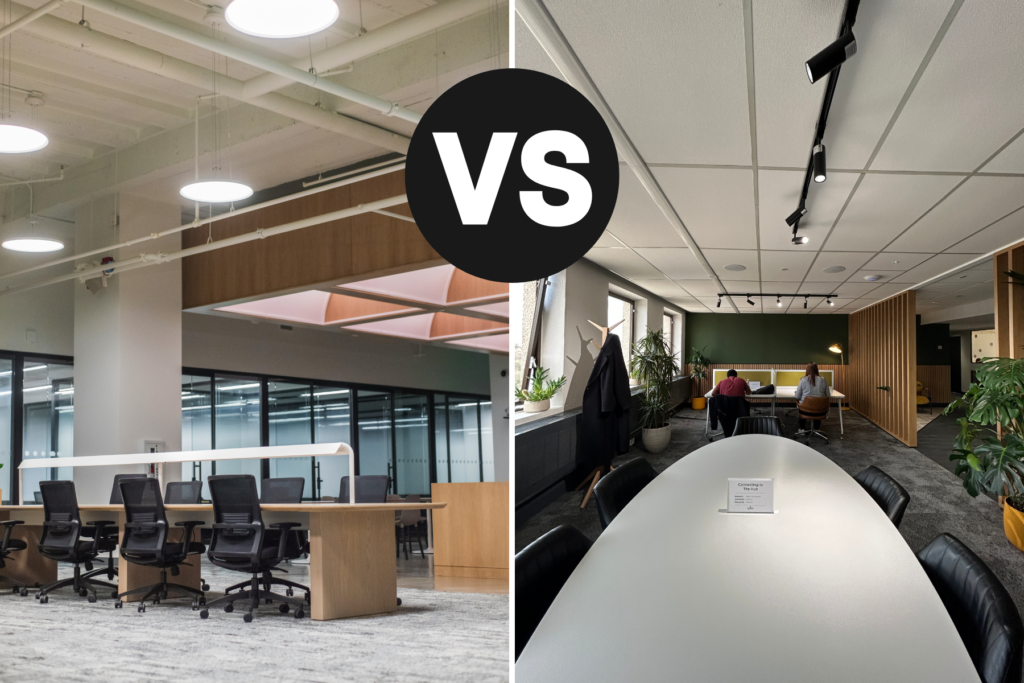
When comparing a serviced office vs coworking space, the key differences come down to cost, flexibility and scalability.
Let’s break it down.
While more flexible than a traditional lease, serviced offices still involve:
For startups working with lean budgets, this can put pressure on cash flow.
Coworking typically offers:
You’re not funding unused square footage. Instead, you’re investing in access to space and facilities as required.
For smaller businesses, this often makes coworking the more financially sustainable choice.
Startups evolve quickly. One month you’re a team of two. Six months later, you might be five.
With a serviced office, upsizing usually means renegotiating or moving offices. Downsizing can be equally complicated.
Coworking, however, allows businesses to:
For early stage companies where growth is unpredictable, flexibility is invaluable.
This is where coworking gains a significant advantage.
In a serviced office, your team operates privately. While you may share a building with others, interaction is limited.
In contrast, coworking spaces are intentionally community driven. Here at Orbit Spaces, coworking is designed to feel collaborative and supportive, giving founders the chance to work alongside other ambitious professionals.
A coworking space for startups creates opportunities to:
For small businesses without established networks, this can accelerate growth in ways a private office cannot.
Both serviced offices and coworking environments offer a professional setting compared to home working.
However, coworking spaces often provide:
You gain a professional presence without needing to maintain an entire office yourself.
For many founders, working from home isn’t just convenient, it’s the default starting point. It keeps costs low, removes the commute and gives you full control over your day.
In the early stages, it often feels like the sensible choice, but if you’re feeling stuck or unproductive, you may be wondering whether you’re simply tired of working from home and if a coworking space could be what you need.
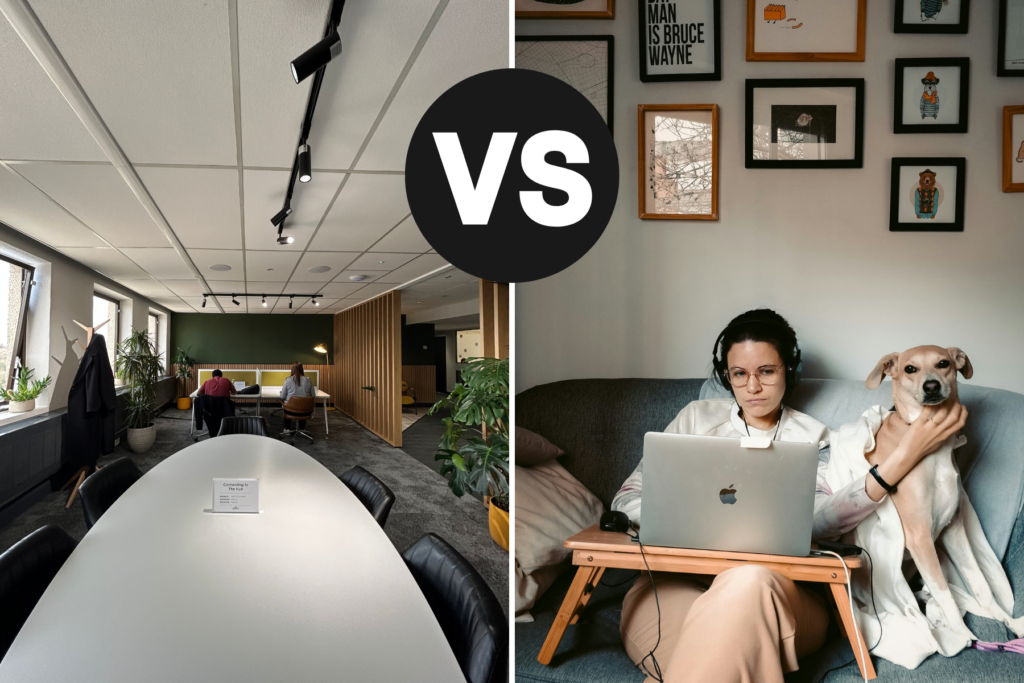
At first, home working can feel efficient. But over time, you might notice:
When your kitchen table doubles as your desk, it becomes harder to separate business time from personal time.
Coworking introduces structure back into your routine. Having a dedicated workspace helps you focus during the day and properly disconnect afterwards, something many founders underestimate until burnout starts to build.
Most people choose home working to save money. On paper, it seems like the cheapest option.
But in reality, the costs can add up:
When you factor everything in, the price gap between coworking and home working is often smaller than expected, especially when you consider the professional environment and resources included in a coworking membership.
Building a business can already feel isolating. Doing it alone at home can make that isolation even stronger. Without regular interaction:
Coworking spaces are designed to counter this. You’re surrounded by other professionals who understand the challenges of growing a business. Conversations happen naturally. Ideas are shared. Momentum builds.
When comparing coworking and office space options, coworking offers a genuine middle ground, more interaction than a private serviced office, but more structure and focus than working from home.


A coworking space for startups is more than just desk space, it’s about creating the right environment. Startups thrive in spaces that offer energy, momentum, access to advice, affordable professionalism, and flexibility. Coworking environments are intentionally designed to meet these needs by providing a dynamic atmosphere that fosters growth and collaboration, which is why many businesses ask is a coworking space worth it? when comparing their options.
In these spaces, founders can work in a structured setting, meet clients in a professional environment, and connect with a like-minded business community. Coworking also allows startups to scale gradually while maintaining control over their spending. For small teams that can’t justify the cost of a full serviced office, coworking provides the credibility and structure they need without the financial strain.
| Feature | Home Working | Serviced Office | Coworking |
| Upfront Cost | Low | High | Low–Moderate |
| Flexibility | High | Moderate | High |
| Community | None | Limited | Strong |
| Professional Image | Low | High | High |
| Scalability | Limited | Moderate | Very High |
| Financial Risk | Low | Higher | Low |
For budget-conscious startups, coworking often provides the best balance of affordability, flexibility, and growth potential.
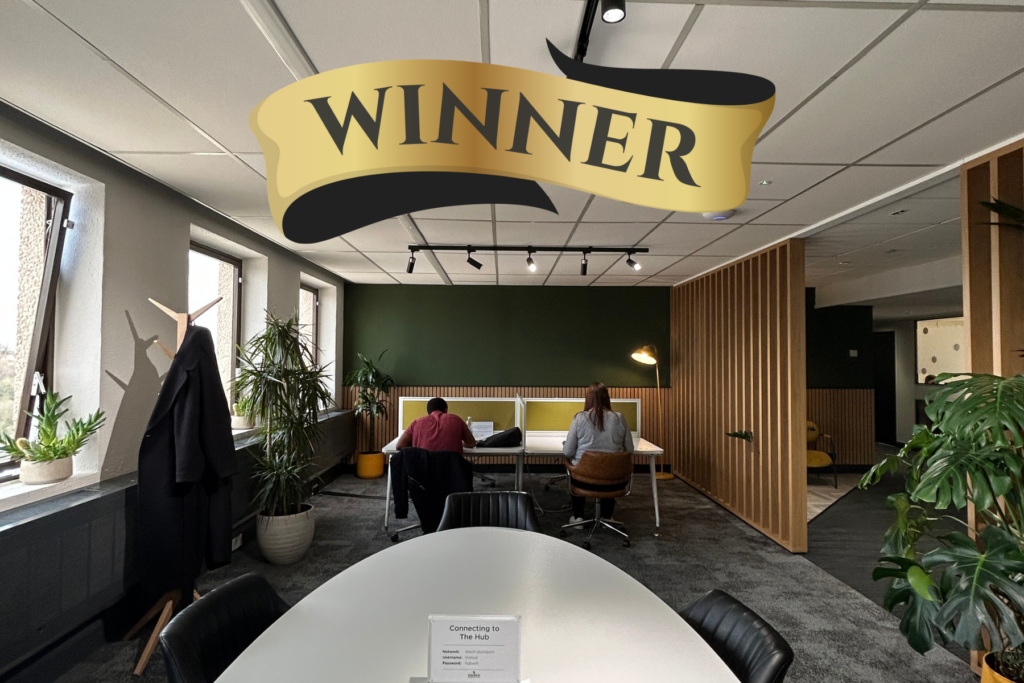
Choosing between serviced office vs coworking space ultimately comes down to priorities. If privacy is your only goal and budget is less of a concern, a serviced office may suit you.
But if you are:
Then coworking is typically the smarter, more sustainable choice. When weighing coworking vs home working, and coworking and office space comparisons, coworking consistently offers the strongest middle ground.
It combines:
All without the financial pressure of a traditional office model.
If you’re based in the North, we offer coworking spaces in both Warrington and Stockport, with a new Manchester location coming soon.


Each space is designed to provide a professional, comfortable environment where startups and small businesses can focus and grow. From open plan desks and collaborative tables to quiet zones and private phone booths, our spaces balance productivity with flexibility.
Members regularly highlight the welcoming atmosphere, reliable high speed internet and practical touches that make a difference day to day, from fully equipped kitchens to quality coffee and on site parking. Whether you need a day pass at short notice or a more regular base for your team, our spaces are designed to be accessible, affordable and easy to use.
As we expand into Manchester and across our flexible workspace locations, our goal remains the same: To give growing businesses flexible workspace solutions without the long term pressure of a traditional office.
For startups and small businesses operating on tighter budgets, workspace decisions must balance image, affordability and future growth.
Home working may work initially but often limits momentum, Serviced offices provide privacy but at a higher financial commitment. Coworking bridges the gap.
Here at Orbit, we’ve seen coworking work particularly well for startups who want a flexible base to grow from, without taking on unnecessary costs early on. Our affordable, flexible memberships allow businesses to scale at their own pace, access professional facilities and become part of a supportive community, all without the long term commitments of a traditional office.
The right environment can shape your growth, and for many startups, coworking offers exactly the balance they need.