One of our team will be in touch with you shortly, in the mean time why not register an account with Orbit Spaces to access our spaces now.
 "
/>
"
/>
As a flexible workspace provider across five North West locations, we see flexible working play out differently every single day.
The term covers any arrangement that gives people more choice over when, where or how they work. That includes hybrid schedules, flexi-time, compressed hours, remote working, part-time arrangements and more. It has moved from a perk to a baseline expectation for most UK businesses. But definitions only get you so far. The more interesting question is what flexible working actually looks like when it lands in the real world.
Flexible working is not a single thing. It is a family of arrangements, each of which produces different patterns of behaviour and different demands from the spaces people use.
| Arrangement | What it means | What it looks like in practice |
|---|---|---|
| Hybrid working | Splitting time between a workplace and home across agreed days | Teams booking professional space on office days without maintaining a full-time desk |
| Flexi-time | Choosing start and finish times within agreed limits | Earlier starts, later finishes, or working around school runs and personal commitments |
| Compressed hours | Fitting a full week’s work into fewer, longer days | Four intense working days followed by a three-day weekend — space needs to support deep focus |
| Part-time and job sharing | Fewer hours or days overall, sometimes two people sharing one role | Wider access to employment for parents, carers and older workers scaling back gradually |
| Remote and home working | Working from any location with no fixed workplace requirement | Many fully remote workers still seek professional space part-time when home is not suitable |
| Staggered hours and term-time working | Variable start times or working only during school terms | Common in seasonal roles or where parenting responsibilities drive the pattern |
The patterns above are not abstract. Here at Orbit, we see them playing out every day across our flexible workspaces in Manchester, Stockport, Bolton, Macclesfield and Warrington.
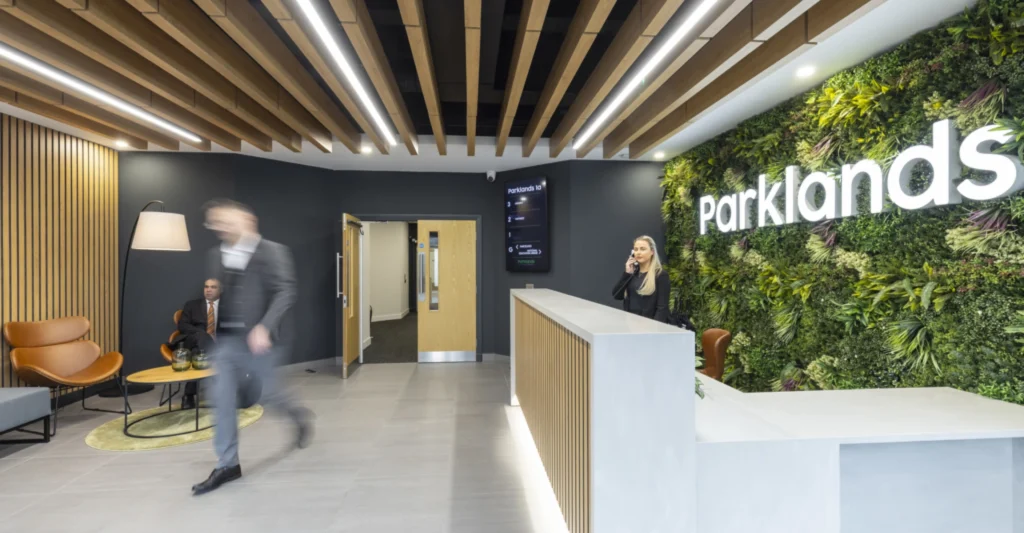
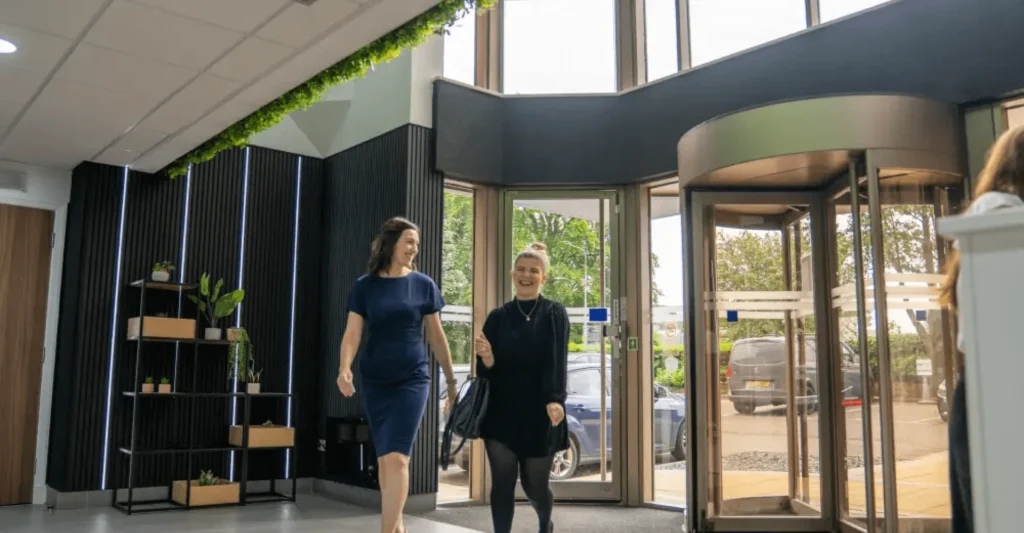

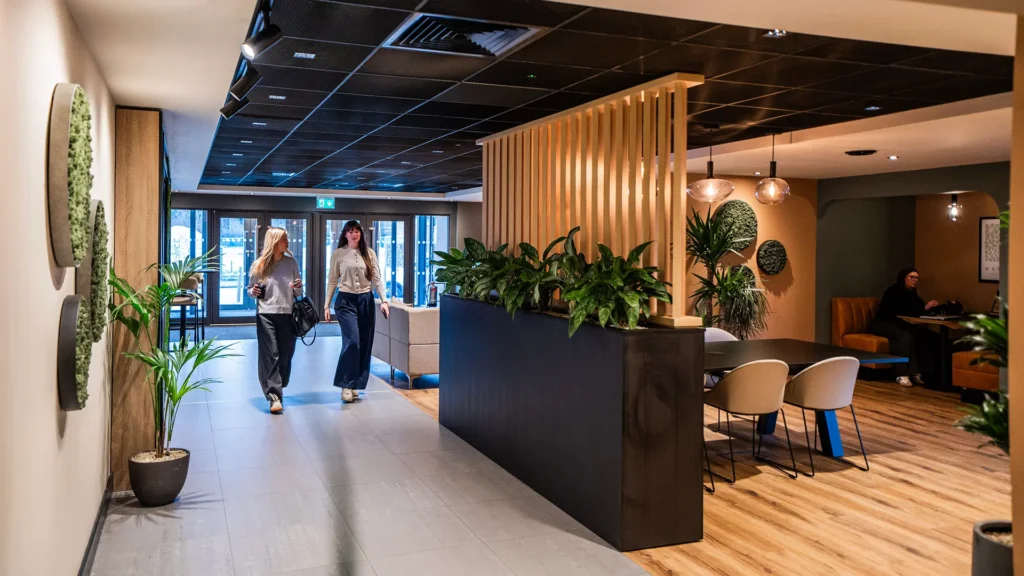
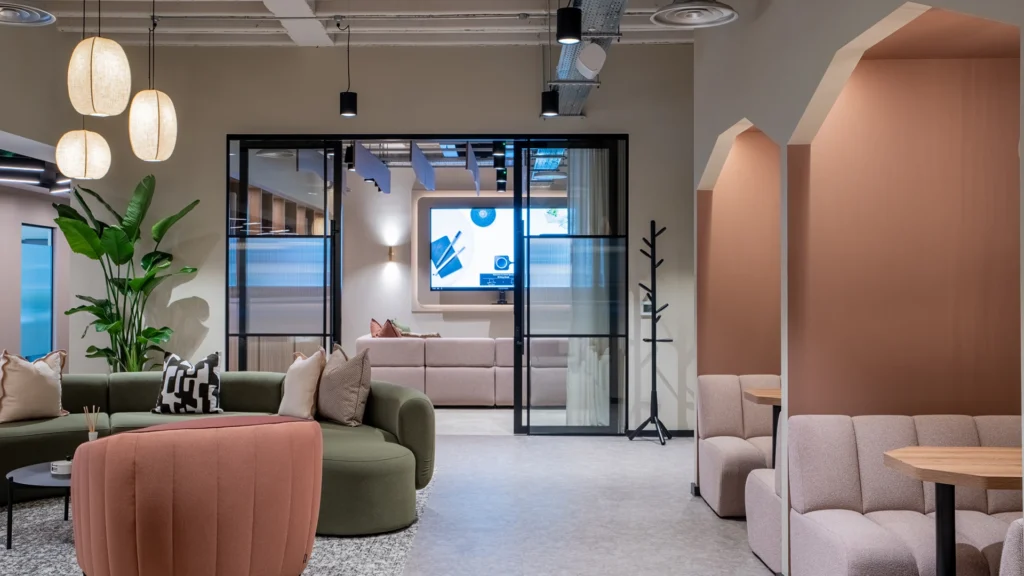
The single most common pattern we see is the hybrid worker who needs a professional base two or three days a week. This is not someone working from home occasionally, it is someone whose working week is genuinely split, and who needs the non-home days to be as productive as possible. A well-equipped flexible workspace solves this problem cleanly: no long-term lease, no empty desk on the days they are not in, no commute to a central office when the office is closer to home.
The second pattern is the team that is geographically spread. We see this regularly at locations like Regent House in Stockport and The Point in Warrington – small agencies, professional services firms and growing startups whose team members live across Greater Manchester and Cheshire. Nobody wants to drive into Manchester city centre for a monthly all-hands when half the team lives south of the city. A neutral, well-connected space that is easy for everyone to reach removes that friction and makes the meeting worth having.
The third pattern is the solo professional who needs to get out of the home office without committing to anything permanent. Freelancers, consultants and independent contractors make up a significant part of the people who use our flexible coworking space on a day-to-day basis. They are not looking for a desk five days a week, they want the option to work somewhere professional when home is not working, without paying for space they are not using.
The fourth pattern (and one that has become much more visible in the past two years) is the growing business that has outgrown home working but is not ready for a traditional office lease. A team of eight or ten people, some working compressed hours, some part-time, some fully hybrid. They need somewhere to anchor the team without locking themselves into a fixed overhead. A private office on a flexible term, combined with access to meeting rooms when they need to bring people together, is often exactly the right fit.
Most conversations about flexible working focus on the policy such as what arrangements to offer, how to handle requests, and what the law says. That is useful, but it misses something important. Flexible working does not just require a policy, it requires the right physical infrastructure to support it.
Home and the company headquarters are not the only two options, in practice there are four places where flexible working happens. These are typically the traditional office, home, fully remote locations, and flexible workspaces closer to where people actually live. The fourth option is the one most businesses underestimate, and it is the one that often makes the difference between flexible working that genuinely works and flexible working that slowly erodes into everyone just sitting at home feeling disconnected.
The geography matters more than most businesses realise. Hybrid working lets you recruit from a much wider area, but only if your people have somewhere suitable to work locally. Asking a new hire in Warrington to commute into Manchester city centre three days a week defeats most of the purpose. Giving them access to a local coworking day pass or a desk at a workspace near where they live is what makes the arrangement genuinely flexible rather than just nominally so.
Flexible working also asks something different of managers. Leading a team you cannot always see requires a shift from measuring presence to measuring output. Businesses that make that shift tend to find flexible working works. Those that do not often find it creates more problems than it solves.
It helps to see flexible working in concrete terms rather than abstract ones. These are the kinds of patterns we see regularly across our locations:

Three days a week in a coworking space, two days at home. The coworking days are for client-facing work or anything that needs proper focus, the kind that is hard to sustain at a kitchen table. A coworking day pass gives them professional space when they need it, with no permanent desk to pay for on the days they do not.
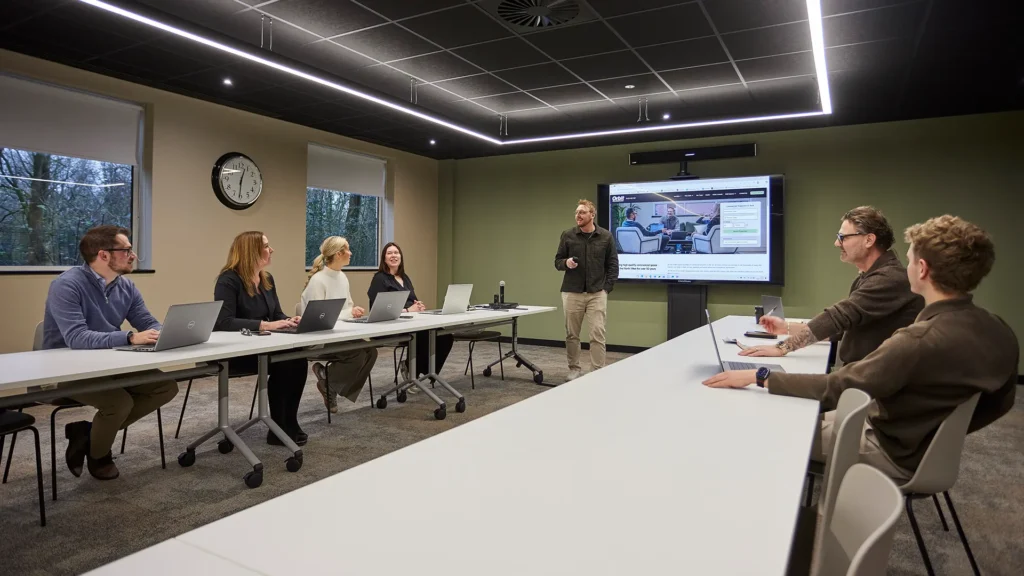
A team of six, mostly working from home. Once a fortnight they get everyone in the same room for a full team day — planning, reviews, the conversations that do not work over a call. They book a flexible meeting room for the day and use the rest of the week for the deep work that remote suits well. No office overhead, just the space they need when they need it.
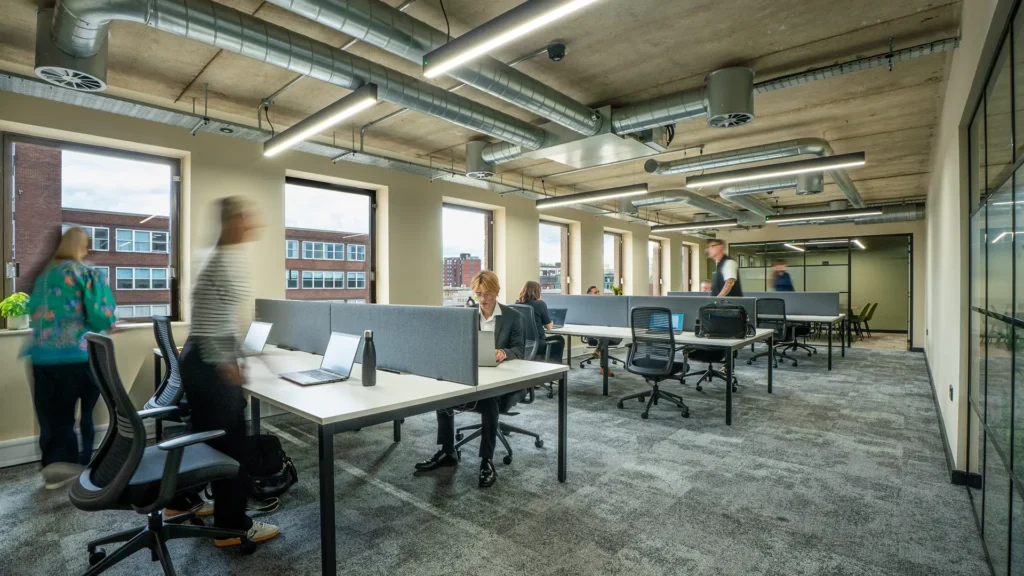
Some people work compressed hours, some are part-time, a few are fully hybrid. A flexible office on a rolling term gives them exactly what they need. Space for the team when they need it, without the cost of desks sitting empty half the week. As the team grows, the arrangement can flex with them rather than forcing a disruptive move.
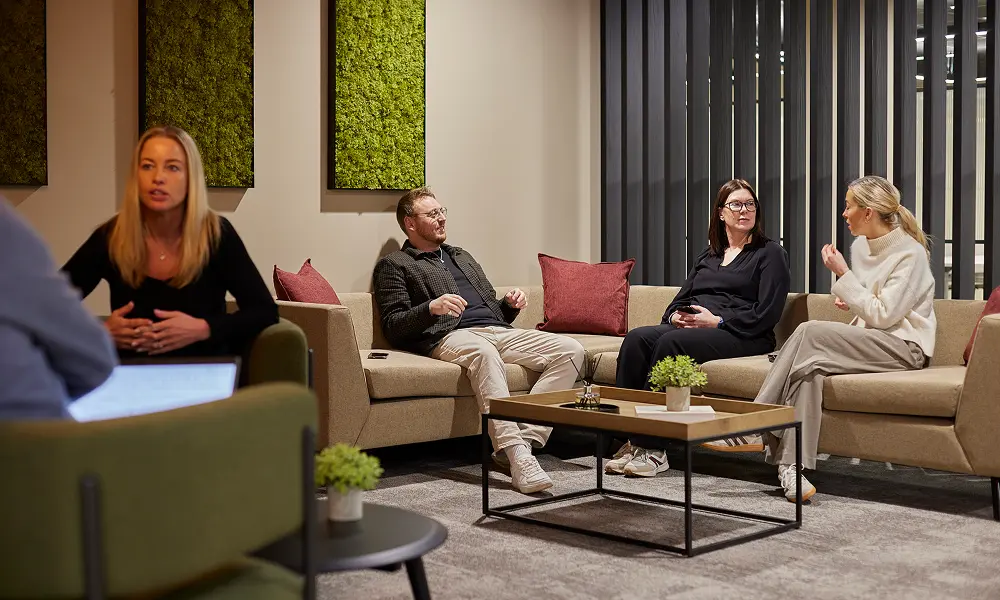
Three founders, two employees, all working different patterns. No office, no fixed base, just home working and occasional coworking days when they need to think together. They are not ready for a lease and do not need one. Professional space on demand across five North West locations gives them everything a proper business needs, without the overhead.
Every business’s version of flexible working looks different. The right arrangement depends on the size of the team, the nature of the work, where people live, and what the business is trying to achieve. There is no single answer, and any arrangement that tries to be one-size-fits-all tends to work for nobody.
What most businesses have in common is the need for professional space that matches how their team actually works. Not a fixed office that everyone has to fit around, but a set of flexible workspaces that can be used as and when the work demands it.
Here at Orbit, we have five workspace locations across the North West and we see flexible working look different at each one. If you are building a flexible setup and need professional space to support it, we would be glad to help you find the right fit.
Take a look at our workspace locations or get in touch to talk through what your team needs.
For more on the benefits of flexible working for your team and your business, read our companion guide on the benefits of flexible working.